 Image 1 of 1
-
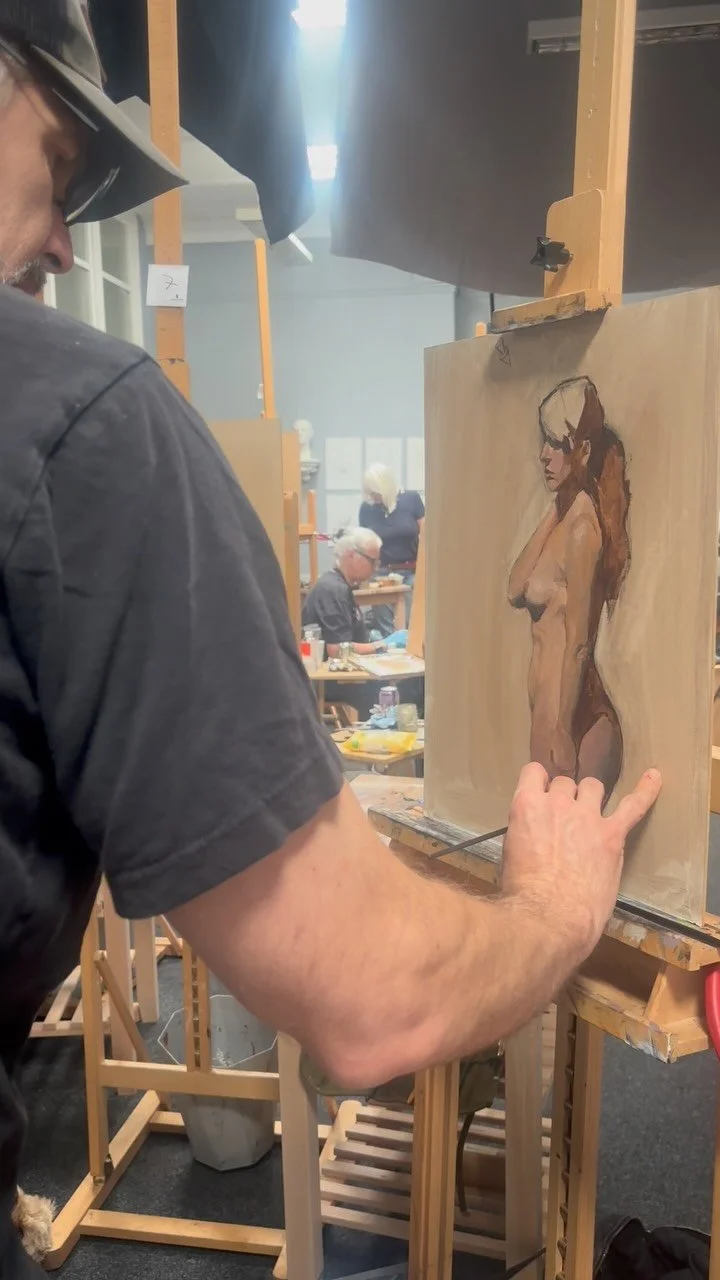
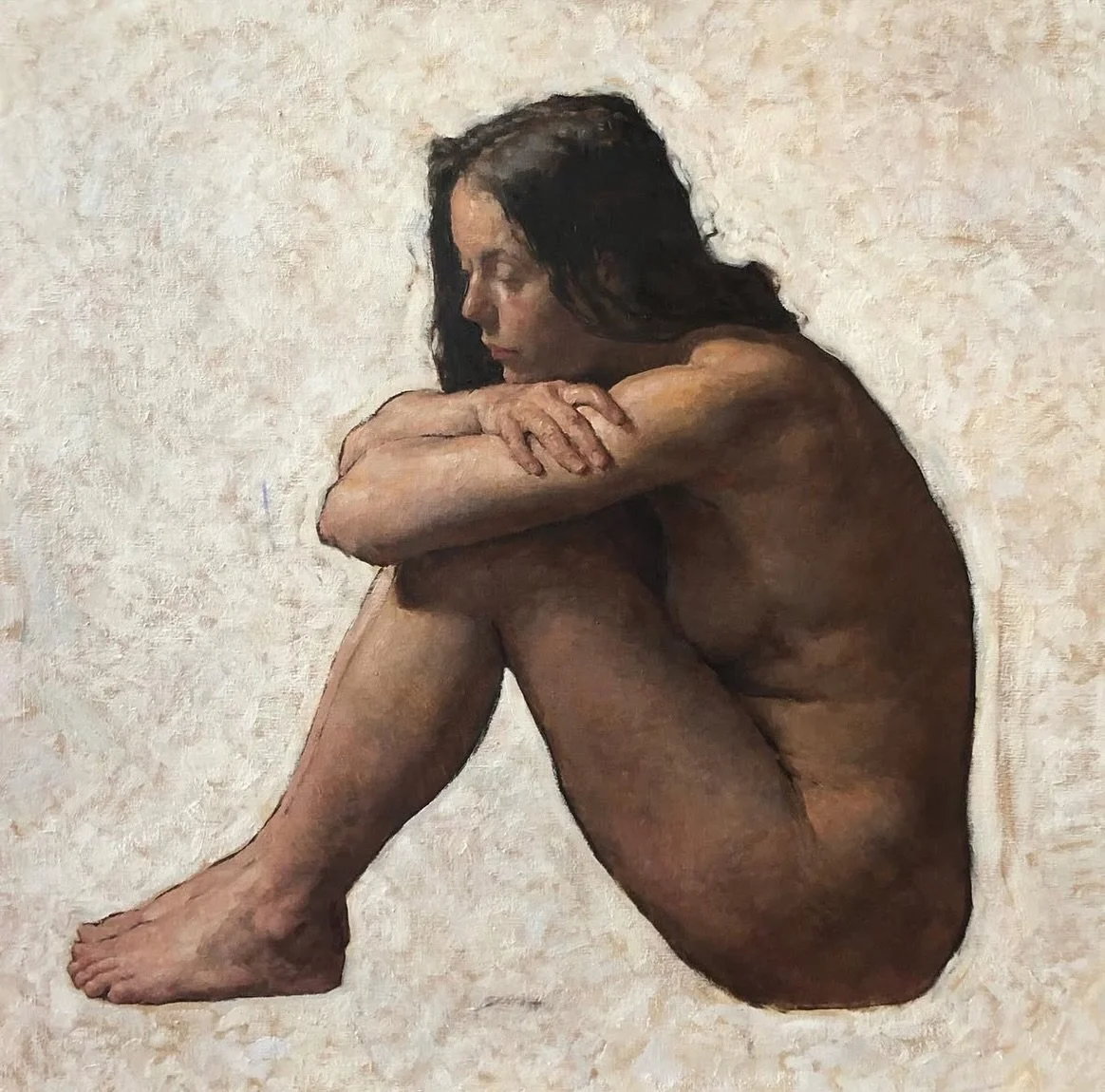
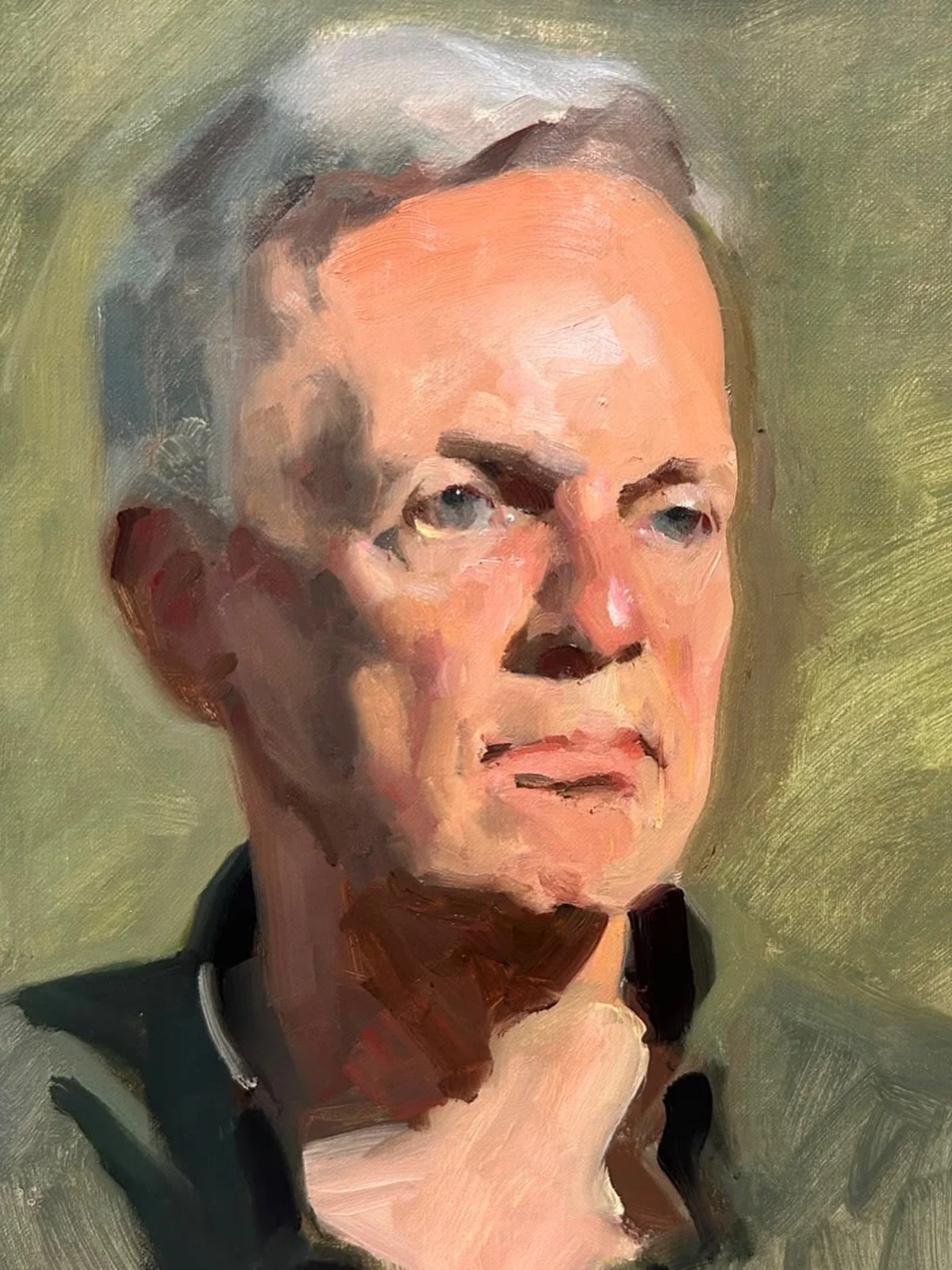
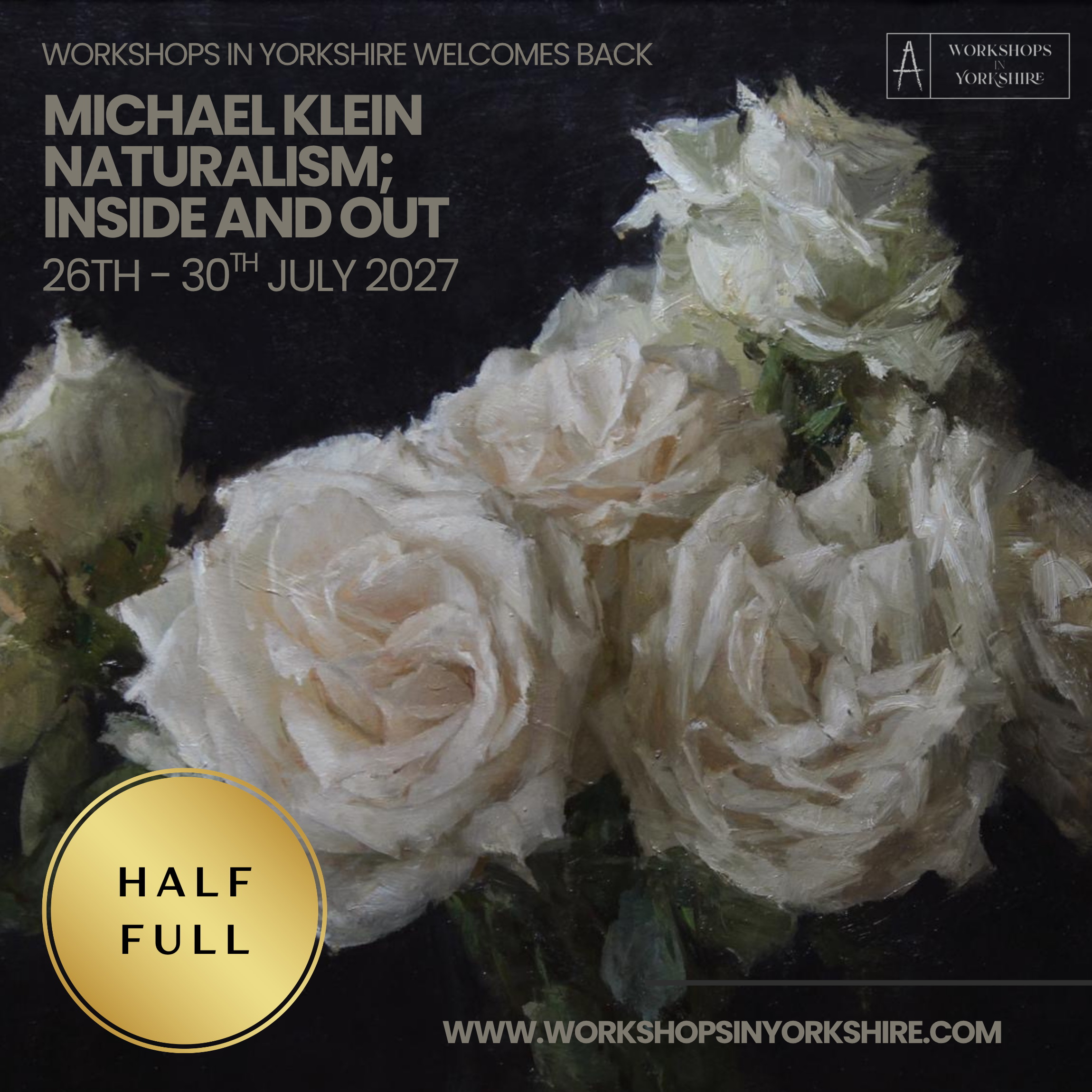
Michael Klein was nineteen when he began his serious training in classical ateliers and workshops. His first teacher was Richard Whitney, one of New Hampshire’s most prominent portrait painters and a pupil to the teaching of R.H. Ives Gammell of the Boston School Tradition. After two years of workshop classes under Whitney’s guidance, Klein continued studying in Minneapolis at the former atelier Lack which was founded by Richard Lack, a classical painter whose efforts were largely responsible for the revival of traditional painting in the United States. Seeking to broaden his education, Klein then left his home in the Midwest to move east, where he began studies at the Art Students League of New York, most notably under the tutelage of portraitist Nelson Shanks. In 2002, Klein entered what would become his final school, the Water Street Atelier (now Grand Central Atelier), where he apprenticed under founder Jacob Collins until 2005.
-
What is the difference between Naturalism and Realism?
Naturalism is often confused with Realism, another movement that began in France during the mid-19th century. Both portrayed life as it was, but there are subtle differences between the two painting styles.
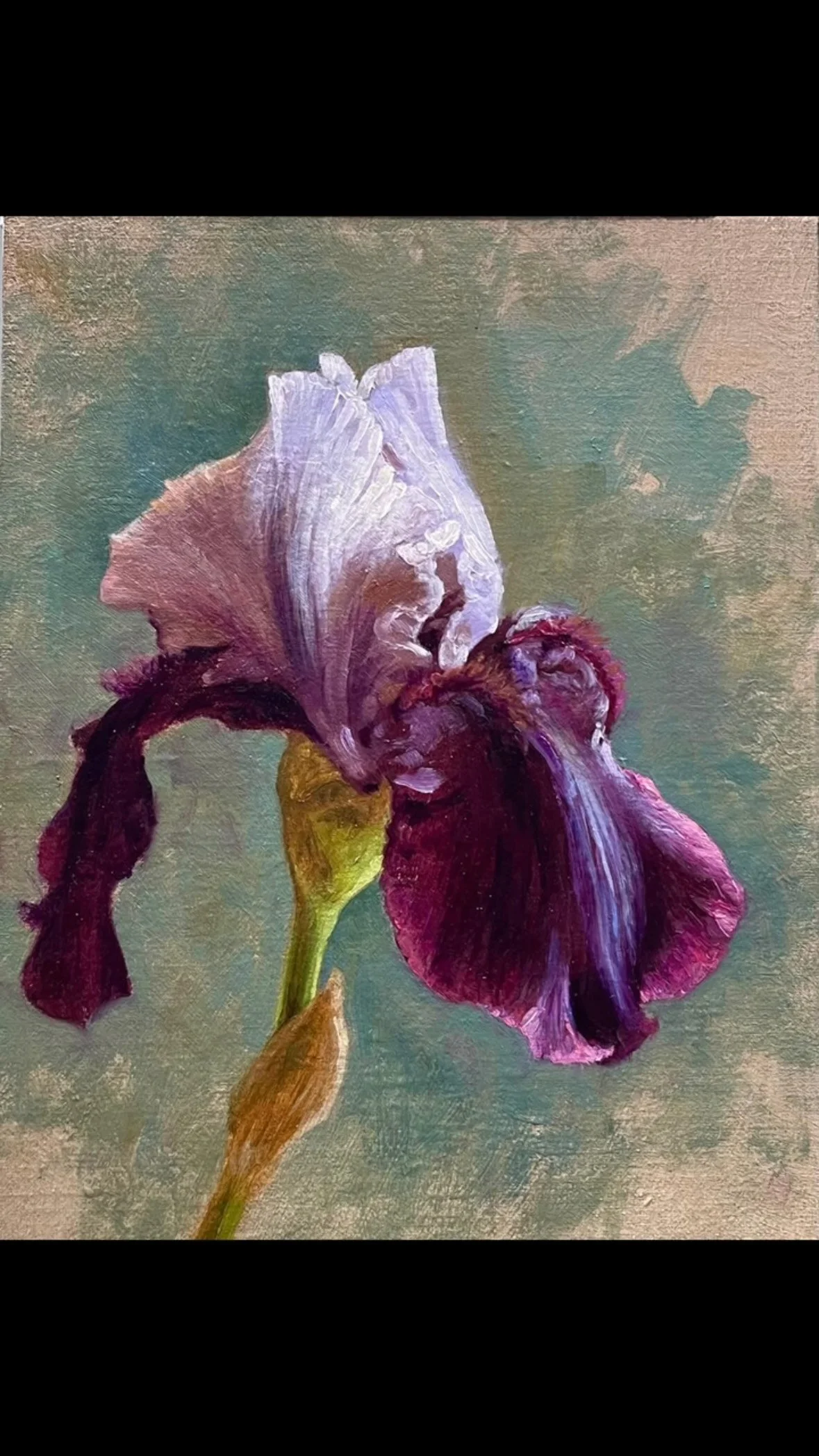
Realist artists sought to represent real life in a truthful way by depicting common people going about their ordinary lives. Naturalist artists weren't so much concerned with the content of the painting but rather, they were more interested in how they painted it, with as much observational accuracy as possible. Where Realism often carries political or social commentary, Naturalism turns its attention outward: to light, to weather, to the particular color of a hillside at four in the afternoon, to the way a bloom holds up under subtle light and how that same discipline of seeing translates once you venture outdoors.
This workshop is built around that movement. We spend our first three days indoors, working the way the Naturalists worked in the studio-slow, controlled, exacting - before carrying that same eye out into the Yorkshire Dales, where the subject changes but the method doesn't.
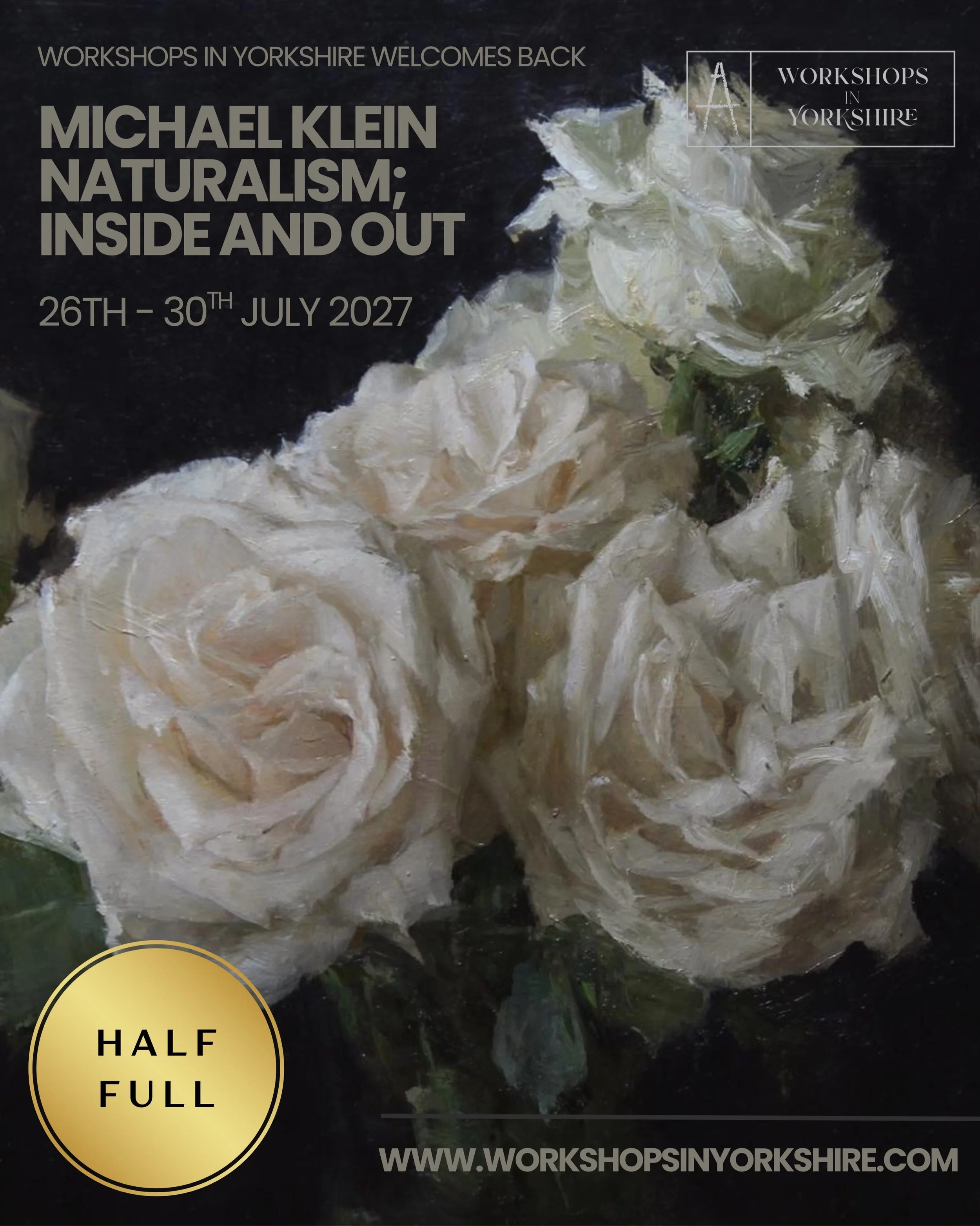
Led by Michael Klein, a contemporary artist working in the naturalist tradition, this workshop draws on that same discipline of seeing — applied first to the studio, then to the landscape.
Days 1-3: Floral Still Life, Studio
We begin indoors with a sustained still life practice. Controlled light, a beautiful subject, and the time to actually study the petal structure, form, the way color shifts as a bloom wilts over the course of a sitting. This is where we sharpen the fundamentals: accurate color mixing, edge control, and a working knowledge of value structure that will carry you through anything you paint afterward. No excuses, no wind, no fading light-just you, the flowers, and the discipline of getting it right.
Days 4-5: Plein Air, the Yorkshire Dales
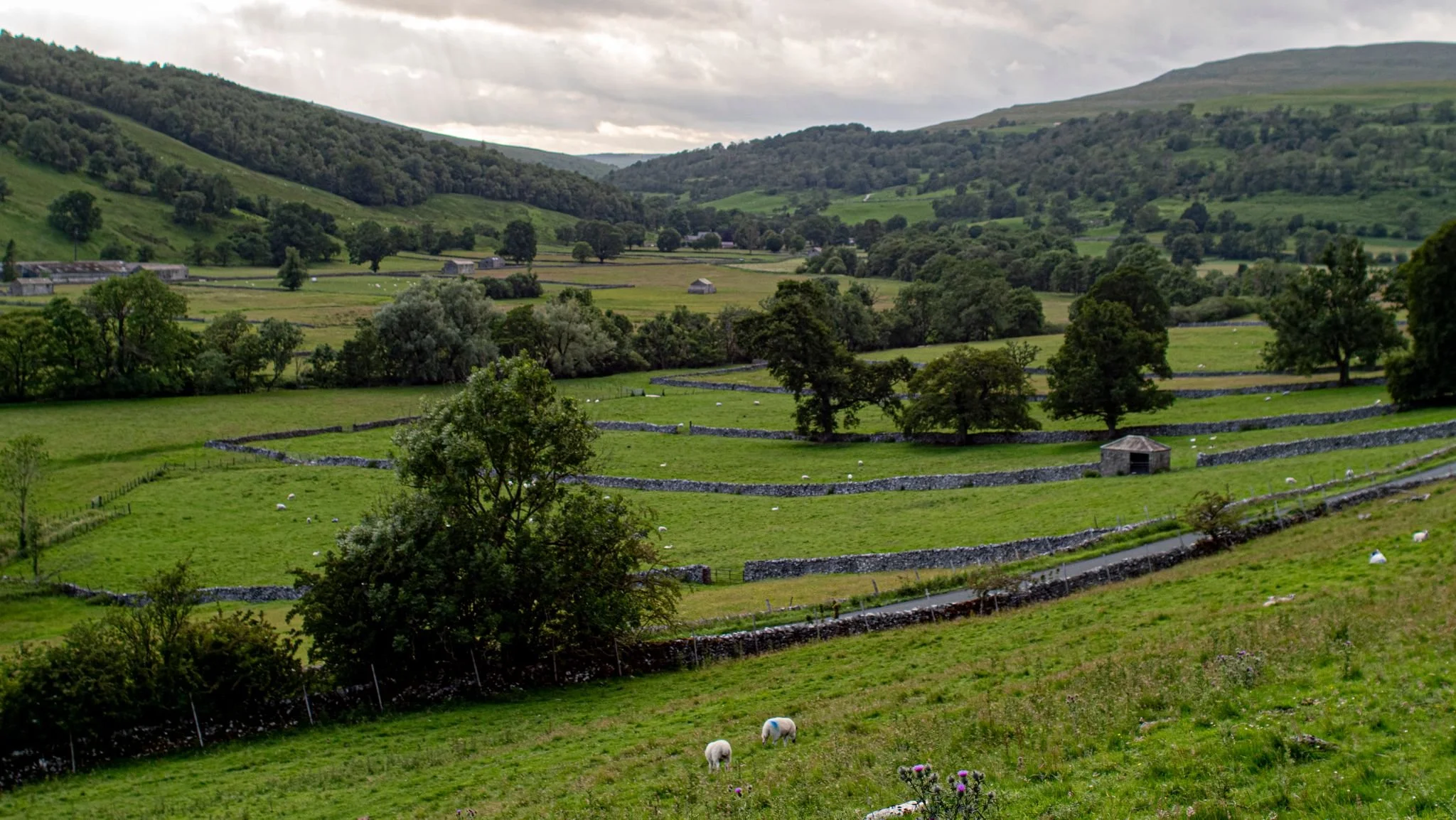
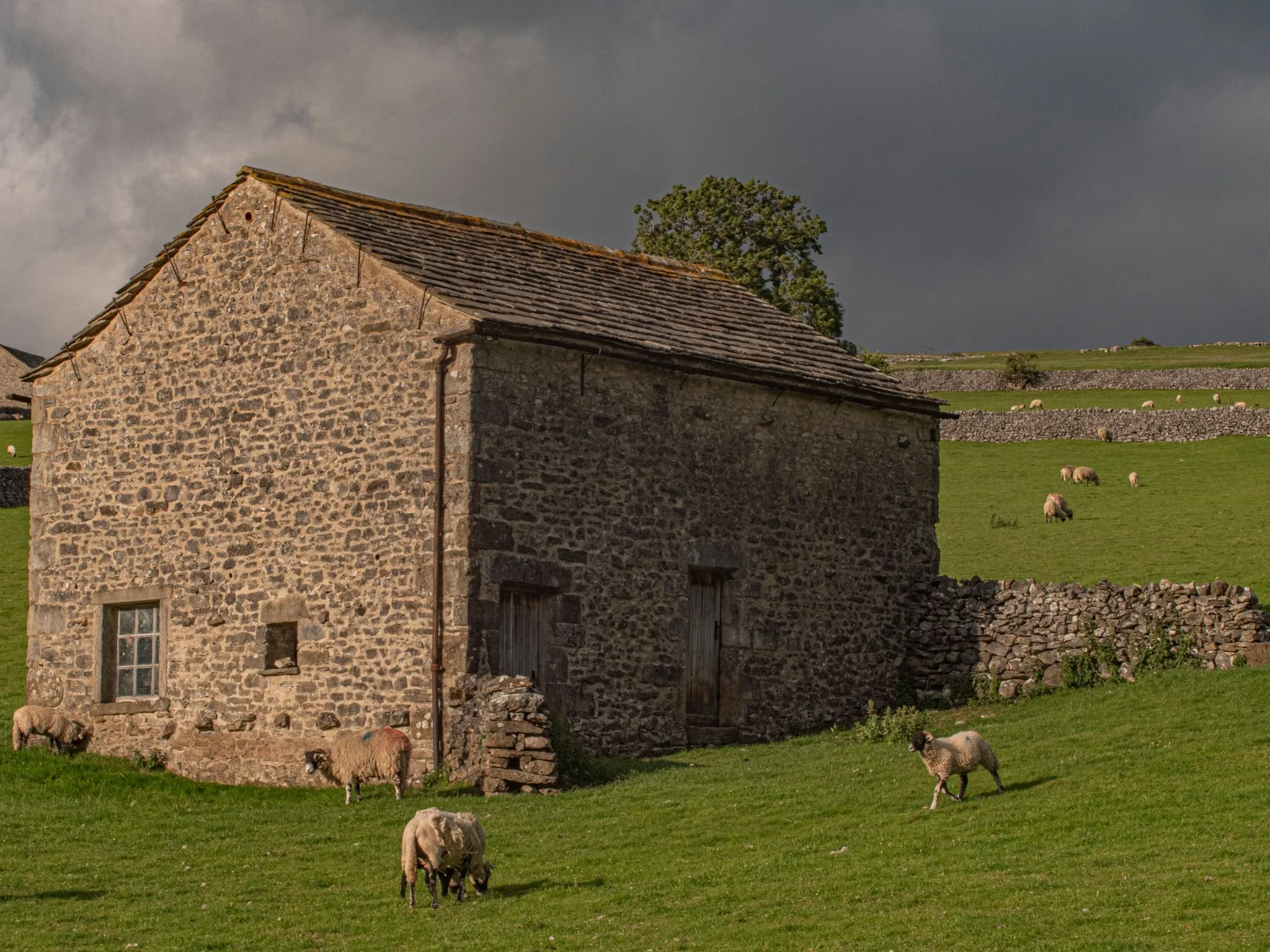
Then we go outside. The Dales offer everything a Naturalist eye could want. Including but not limited to, drystone walls, grazing land, shifting weather and light that never sits still long enough to get comfortable. Here, the studio discipline gets tested against wind, changing conditions, and a landscape that refuses to hold still. We paint quickly, we paint honestly, and we lean on everything built during the indoor sessions.
Maximum students: 16.
-
5 days Tuition from Michael Klein
Wonderful, fresh packed lunches and snacks every day
Two evening meals, at least one will be home cooked!
Transport to the daily locations if you are staying in Skipton (so you can avoid the cost and stress of driving a rental car!) If you are in the UK and are willing to drive, or will be renting a car, do let us know.
VAT (20% UK Sales Tax)
-
We offer payment plans. The first payment secures your place and is your deposit. The second is required 3 months later. The third, three months from then.
We split the payment into three equal amounts (£565.00 GBP).
-
Our Workshop HQ address is:
Workshops in Yorkshire LTD. Craven Hall, Sackville Street, Skipton, BD23 2PB. -
Please click the following link. There’s lots of important information there.
If you still have a question, don’t hesitate to email us.
-
To see terms and conditions, please click here.
-
So, although you can pay via the website, they charge extra fees. Truth be told, there’s extra fees for all international payments, but if we call you and take payment over the phone, it’s only 4%.
If you are in the UK, you should do a bank transfer as there are no bank fees that way.
If you book through the website, we will need to ask you for a 5% bank fee payment.